

ICARUS and 3R, an Erasmus+ crossover

Last March I had the great opportunity to accompany the members of Club Magic Extremadura in the national workshops that we developed in the prisons of Cáceres and Badajoz, as well as in the Therapeutic Community La Garrovilla (Mérida). And I speak of opportunity because I could see and learn how Juan Antonio Montero, Rodrigo […]
More Than a Game: Education as a Space of Possibility

Every educational act is a wager—not on performance, achievement, or final outcomes, but on something deeper and more fragile: possibility. The possibility to understand, to change, to see the world—and oneself—in different ways. To educate is not merely to instruct; it is to open a space where something new can happen. And this opening is, […]
The Other in the Classroom: Intercultural Approaches in High-Complexity Educational Contexts
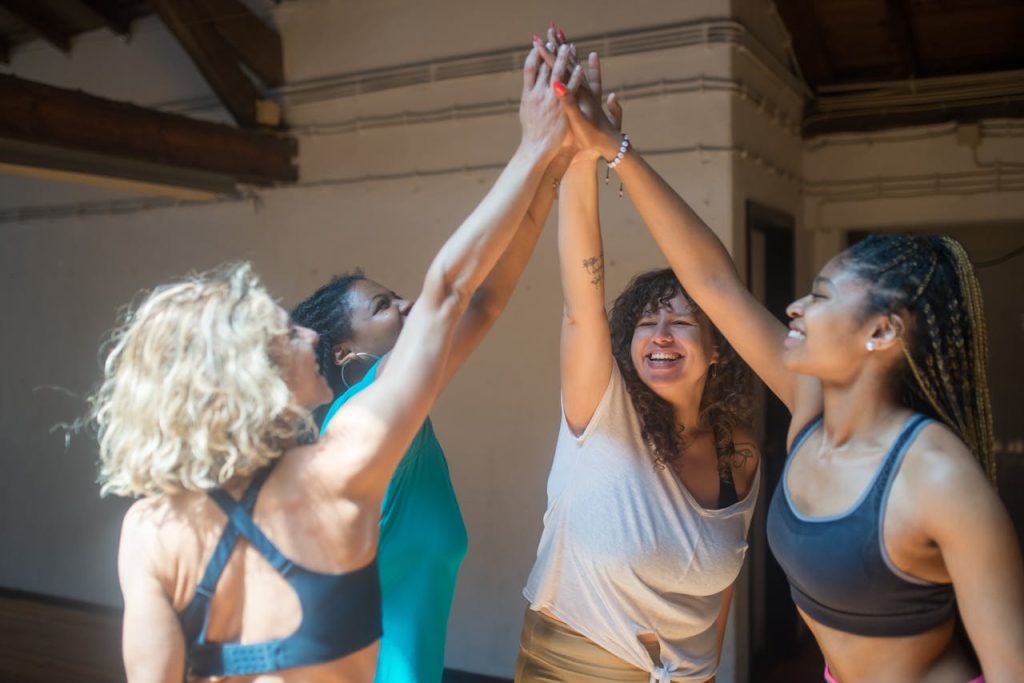
The increasing cultural, linguistic, and religious diversity that characterizes many European societies is particularly evident in high-complexity educational contexts. Prisons, therapeutic communities, reception centers, and adult education programs are increasingly composed of participants with vastly different origins, experiences, and cultural references. In such settings, intercultural education is not an option—it is a pedagogical, ethical, and […]
From Words to Deeds: How to Turn Reflection into Educational Action

Reflection is a necessary condition for transformative learning. But if it remains confined to theory, it risks losing its generative power. The challenge of education—particularly in re-educational settings—is to translate abstract concepts into lived, concrete, and situated experiences. In other words: to turn words into actions, thoughts into practices, intentions into everyday choices. In educational […]
Soft Skills and Employability: Educating for Flexibility in Contexts of Vulnerability

In today’s discussions on adult education and active labor policies, so-called “soft skills” have emerged as a crucial factor for employability. More than the mere mastery of technical skills, the contemporary labor market demands adaptability, critical thinking, emotional awareness, communication abilities, and stress management. This is especially true in reintegration pathways for adults facing social […]
Time as an Educational Resource: Slowness, Waiting, and Reflection in Prison Learning Pathways

Education has always had an intimate relationship with time. Learning is not an instantaneous event but a process that requires duration, repetition, and maturation. However, in an age dominated by acceleration, education too risks conforming to productivity-driven logics that favor efficiency over depth, performance over meaning. In re-educational settings—and particularly in prison—this tension becomes emblematic: […]
Playing with Consequences: Decision-Making, Risk, and Responsibility in Educational Games
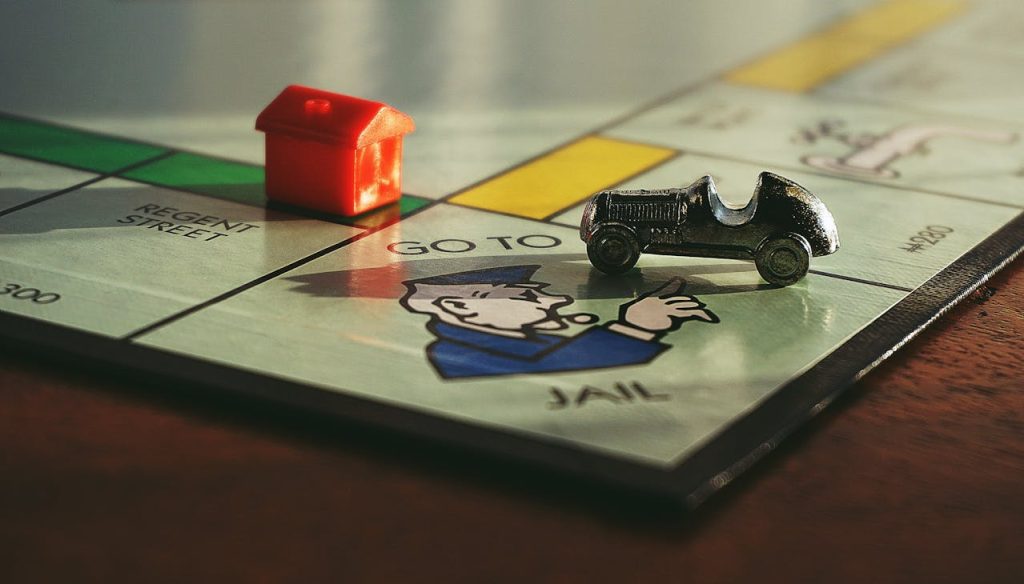
In its regulated and symbolic form, play represents one of the most fertile contexts for education in responsibility. Strategic and reflective games—such as chess or role-playing games—place decision-making, consequence evaluation, and acceptance of outcomes at their core. These elements, often overlooked in educational programs focused primarily on content transmission, acquire central significance in contexts where […]
Telling One’s Story to Rebuild Oneself: Narrative and Identity in Prison Education

Among the most powerful educational practices in contexts of marginalization, narrative holds a central place. Telling one’s story is not merely a communicative act but a cognitive and symbolic process through which individuals assign meaning to their experiences and construct—or reconstruct—their identities. In prison, where biographical rupture is often profound, narrative can become a radical […]
Learning to Think About Oneself: Metacognition and Self-Awareness in Prison Education

Education in prison settings presents a profound educational and epistemological challenge. It is not merely a matter of providing cognitive tools or vocational skills, but of acting on the very structure of consciousness: recognizing one’s mental patterns, understanding emotional and behavioral responses, and developing new ways of interpreting oneself and the world. In this sense, […]
Playing Seriously: The Pedagogical Value of Play in Adult Education Contexts

In the Western educational tradition, play has often held a marginal position, associated with childhood, leisure time, or forms of escapism. Yet, growing attention from educational sciences has shown that play—far from being a merely childish activity—can be a powerful formative device even in adult education contexts, especially those marked by vulnerability or restriction. When […]