

Behavioral Traps and Chess

How can a game become a gateway to lasting behavioral change? “Behavioral Traps and Chess” blends psychology and strategy to engage learners—especially adults and educators—through their interests. Using chess as both tool and metaphor, this approach helps participants build awareness, motivation, and flexible thinking. By identifying personal goals and applying chess-inspired analogies, learners enter a […]
CHESS for Lifelong Learning
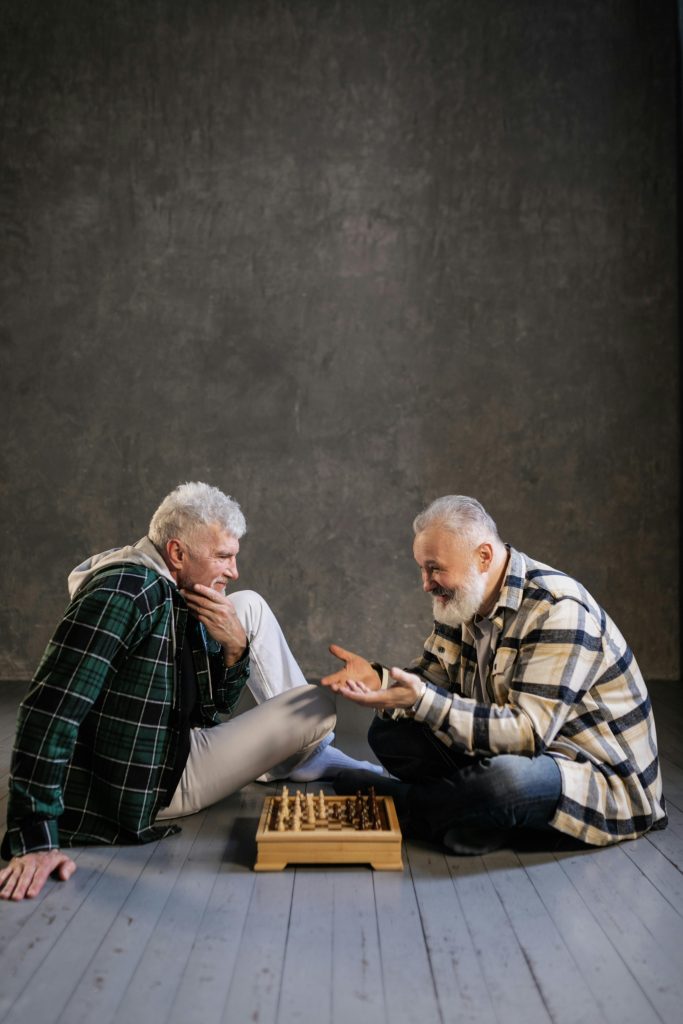
Chess isn’t just a game—it’s a mindset for lifelong growth. The CHESS for Lifelong Learning project uses chess as an innovative training tool to develop soft skills and promote active citizenship among adult learners aged 45+ from disadvantaged backgrounds. Designed also for adult educators, the project offers a flexible suite of practices that foster planning, […]
Chess in Prison Programme by European Chess Union
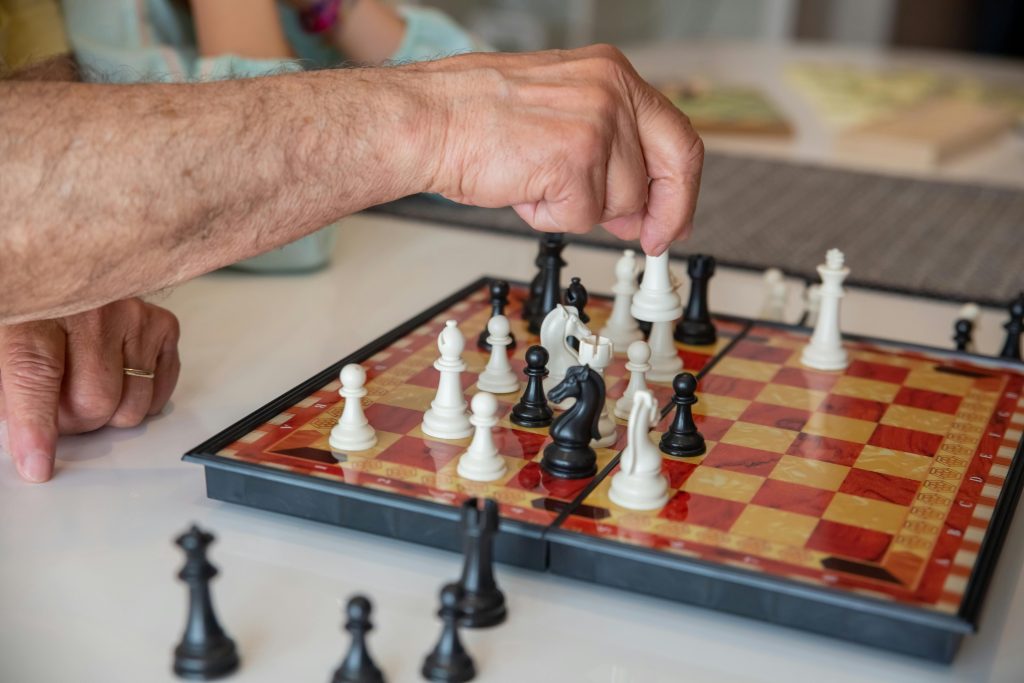
With chess, even confinement can lead to freedom. The Chess in Prison Programme, led by the European Chess Union, uses the power of chess to support rehabilitation and personal growth among inmates across Europe. Through lessons with real chess masters, tournaments, and daily practice, participants build logic, patience, and resilience—skills that extend far beyond the […]
Chess for Freedom Programme

Every move can shape a new future. The Chess for Freedom Programme, launched by FIDE and the Cook County Sheriff’s Office, brings the transformative power of chess into prisons worldwide. Through international tournaments and structured training, inmates develop focus, foresight, and emotional resilience—key skills for reintegration and personal growth. What began as a pilot in […]
Chess in Prisons programme in Latvia
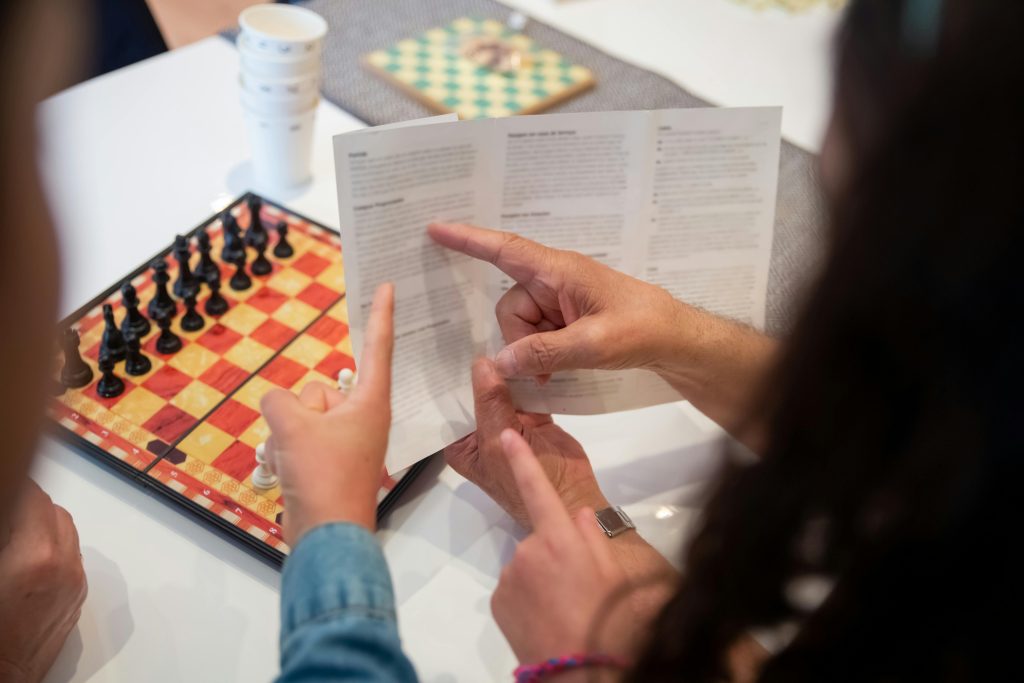
Can a game change the way we think, behave, and connect? Launched in 2022, the Chess in Prisons programme in Latvia introduces inmates to the strategic and reflective power of chess. Beyond the board, participants build cognitive skills, emotional regulation, and respectful communication—all within a supportive and structured learning environment. With growing participation each year, […]
Metacognitive Skills Project
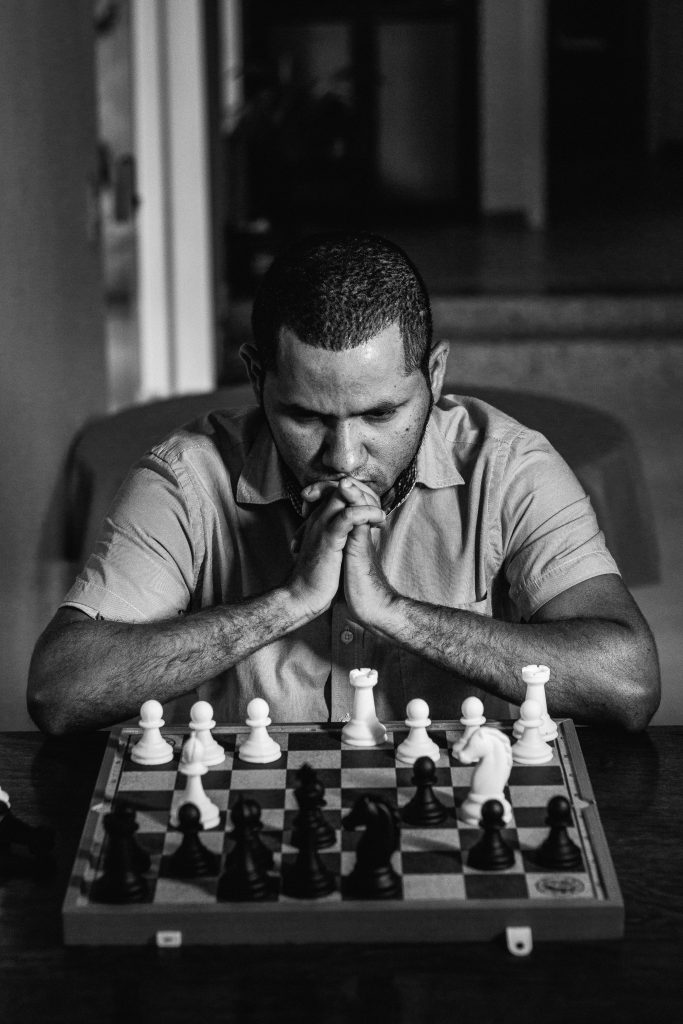
Learning how to learn can change everything. The Metacognitive Skills Project empowers low-skilled and vulnerable adult learners by helping them develop self-awareness, reflection, and independent learning strategies. Through interactive courses, support tools, and a robust competence framework, the initiative enhances learners’ ability to succeed in education and beyond. It also equips adult educators with practical […]
Programme 2121

Can work truly change lives in prison? Programme 2121 bridges incarceration and reintegration by offering prisoners real employment pathways and soft skills development. Led by Italy’s Ministry of Justice and the multinational Lendlease, the initiative empowers participants through storytelling, CV building, and paid internships. It’s a bold step toward breaking the cycle of recidivism—where prison […]
NAUSICAA PROJECT

How do you rebuild your life after prison? The NAUSICAA Project offers tailored support to people transitioning out of detention, helping them regain autonomy and reconnect with society. Through one-on-one guidance, community networking, and volunteer engagement, the project bridges the gap between prison and the outside world. It promotes dignity, self-determination, and a fresh start—because […]
TAG Project – A Whole Different Justice

What if justice could become a space for growth instead of punishment? The TAG Project offers an innovative community justice model in Milan, supporting people undergoing probation or public utility sentences. Through one-on-one support, creative workshops, and soft skills training, participants rediscover their role in society. By fostering self-awareness and accountability, TAG reframes justice as […]
EMOTIONS AT WORK – prisoners and psychiatric patients tell their stories

What happens when inmates and psychiatric patients come together to share their deepest emotions? “Emotions at Work” is a bold and unique initiative that brings together two often-stigmatized groups—prisoners and psychiatric day-care patients—through dialogue, creativity, and mutual support. Meeting weekly inside Milan’s Opera prison, they broke barriers, built relationships, and transformed fragility into strength. Their […]